Scotlandia: A Handwritten Font That Adds Character to Your Designs
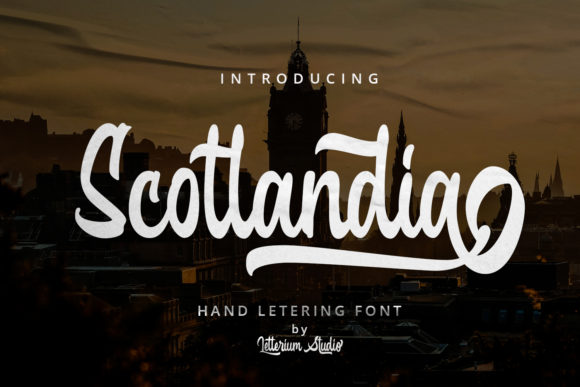
If you're looking for a font that stands out, Scotlandia is the one to consider. This bold and stylish handwritten typeface brings a unique energy to any design project, making it perfect for headlines, logos, and other visual elements where impact matters. Whether you're an entrepreneur launching a brand or a blogger crafting a new post, Scotlandia can give your work that extra touch of personality.
Designed with confidence and creativity in mind, Scotlandia reads as strong and dynamic. It’s not just another font; it's a statement. The characters have a nostalgic feel, reminiscent of old-world handwriting but with a modern twist that makes it versatile for today's digital landscape.
Where Can You Use Scotlandia?
Scotlandia is incredibly flexible and can be used across various platforms and mediums. Here are some real-life scenarios where this font shines:
- Headlines and Titles: Whether you're designing a website, brochure, or social media post, using Scotlandia as the headline font can draw attention and create a memorable first impression.
- Logos and Branding: If you're creating a logo for your business or a client, Scotlandia adds a touch of elegance and uniqueness. Its bold style works well for businesses that want to convey strength and individuality.
- Marketing Materials: Brochures, flyers, and posters can benefit from Scotlandia's dynamic look. It helps your message stand out in a sea of generic fonts.
- Blog Posts and Articles: Bloggers and content creators can use Scotlandia for section headers or call-out boxes to make their content more visually engaging.
- Print Projects: From invitations to packaging designs, Scotlandia adds a personal and artistic flair that digital-only fonts often lack.
Who Benefits Most from Using Scotlandia?
Entrepreneurs will appreciate how Scotlandia can elevate their branding efforts. A simple logo with this font can make a big difference in how their business is perceived. Marketers
Freelancersdesigners
Educatorspublishers
Real-World Examples of Scotlandia in Action
Imagine you're running a small coffee shop and want to create a logo that feels warm and inviting. Using Scotlandia for your logo text can instantly make your brand feel more personable and approachable. The font’s boldness gives your logo a sense of strength, while its handcrafted look adds charm.
Another example could be a blogger writing about travel experiences. By using Scotlandia for their article headers, they can create a more immersive experience for readers. The font’s dynamic nature matches the excitement of exploring new places.
For a wedding planner, Scotlandia could be the perfect choice for designing invitations or event banners. Its nostalgic yet stylish appeal fits perfectly with the romantic and personal nature of weddings.
What to Consider Before Using Scotlandia
Before diving into using Scotlandia, there are a few things to keep in mind. First, consider the context of your project. While it's great for headlines and logos, it may not be the best choice for long blocks of text due to its stylized appearance.
You should also think about legibility. Although Scotlandia is visually appealing, it's important to ensure that the text remains easy to read, especially at smaller sizes. Testing it in different environments—like mobile screens or print—can help determine if it's the right fit.
Lastly, licensing is an important factor. Make sure you understand the terms of use when downloading or purchasing Scotlandia. Some fonts require specific licenses for commercial use, so always check the details before finalizing your design.
Tips for Getting the Most Out of Scotlandia
To maximize the impact of Scotlandia, pair it with simpler, more readable fonts for body text. This contrast ensures your design remains balanced and professional. Also, experiment with spacing and color to enhance its visual appeal without overwhelming your audience.
Don’t be afraid to try different weights or variations of the font if available. This can help you achieve the desired tone for your project, whether it's more casual or more formal.
Finally, take time to practice using Scotlandia in your designs. Like any tool, the more you use it, the better you'll get at understanding how it works best in various situations.