Camsia: A Handwritten Font That Elevates Your Design and Workflow
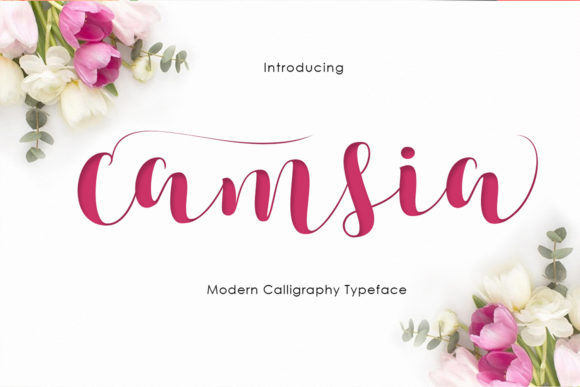
Camsia is a distinct and flowing handwritten font that brings a sense of elegance and modernity to any design project. As a PUA encoded font, it offers access to all its glyphs and swashes with ease, making it an ideal choice for professionals and creators looking to add a personal touch to their work. Whether you're designing marketing materials, crafting blog posts, or preparing presentations, Camsia can help bring your projects to the highest levels.
Understanding Camsia and Its Unique Features
Camsia is more than just a font—it's a tool that enhances visual communication. With its classy calligraphic influences, it maintains a timeless appeal while feeling contemporary and fresh. This makes it suitable for a wide range of applications, from branding to digital content creation.
The PUA encoding of Camsia ensures that users can easily access all the special characters and swashes without needing additional tools or plugins. This feature is particularly useful when creating custom designs that require unique letterforms or stylized text.
Integrating Camsia Into Your Workflow
When considering how to use Camsia in your workflow, it's important to think about where it fits best. For example, during the initial planning phase of a project, using Camsia can help establish a visual tone that aligns with your brand identity. It can be used in mood boards, concept sketches, or even early-stage mockups to convey the desired aesthetic.
During the execution phase, Camsia can be integrated into various stages of the creative process. If you're working on a website or mobile app, incorporating Camsia into headlines or call-to-action buttons can make your content stand out. Similarly, if you're producing print materials such as brochures or business cards, Camsia can add a touch of sophistication that sets your work apart.
After the project is completed, Camsia can still play a role in post-production tasks. For instance, when finalizing a presentation or compiling a portfolio, using Camsia in titles or captions can enhance the overall look and feel of the document.
Practical Implementation Tips
To get the most out of Camsia, it's essential to consider factors like preparation, compatibility, and usability. Before starting a project, ensure that your software supports PUA encoded fonts. Most modern design tools, including Adobe Photoshop, Illustrator, and InDesign, are compatible with PUA fonts, allowing you to access all the glyphs and swashes seamlessly.
When working with Camsia, take time to explore its full range of characters. Experimenting with different swashes and ligatures can lead to more dynamic and visually appealing results. Additionally, maintaining consistency in your design by using Camsia across all relevant elements—such as headings, subheadings, and body text—can create a cohesive and professional appearance.
For those who are new to using handwritten fonts, it may be helpful to start with simple projects before moving on to more complex ones. This allows you to become familiar with the font's characteristics and how it interacts with other design elements.
Using Camsia Across Different Platforms and Tools
Camsia's versatility extends beyond traditional design software. It can also be used in digital platforms such as Canva, Figma, and Webflow, where it can be applied to web banners, social media graphics, and email templates. The ability to use Camsia in these environments means that you can maintain a consistent brand identity across both print and digital media.
For bloggers and content creators, integrating Camsia into blog headers, article titles, or even within the body text can add a unique flair to their content. When used appropriately, it can enhance readability and engagement without overwhelming the reader.
Entrepreneurs and small business owners can benefit from using Camsia in their branding materials. From logos to packaging, the font can help create a memorable and distinctive visual presence that resonates with customers.
Factors to Consider for Long-Term Use
When planning for long-term use of Camsia, it's important to think about organization and efficiency. Keeping a library of fonts and design assets can streamline your workflow and ensure that you have quick access to the right tools when needed. Organizing your files by project type or industry can further improve productivity.
Consistency is another key factor to consider. While Camsia is a versatile font, it's important to use it consistently throughout a project to maintain a cohesive look. This includes ensuring that the font size, weight, and spacing are appropriate for the context in which it's being used.
Quality control is also essential when working with Camsia. Always review your designs to ensure that the font is rendered correctly across different devices and screen sizes. Testing your work on multiple platforms can help identify any potential issues before finalizing a project.
Conclusion
Camsia is a powerful tool that can elevate your design projects and enhance your workflow. Its unique combination of calligraphic influences and contemporary style makes it a valuable asset for professionals and creators across various industries. By understanding how to integrate Camsia into your workflow and considering factors like compatibility, usability, and consistency, you can unlock its full potential and bring your projects to the highest levels.