Fatines: A Handwritten Font That Elevates Design with Personality
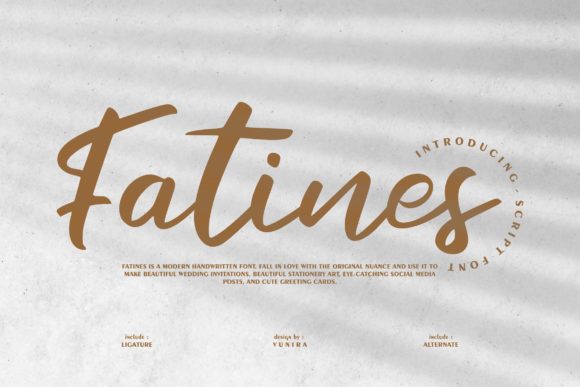
Fatines is a handwritten font that brings a unique blend of elegance and casual charm to any design project. With its thick lettered yet cursive style, this font stands out as a versatile choice for professionals, creators, and anyone looking to add a personal touch to their work. Whether you're designing a logo, creating marketing materials, or crafting a blog post, Fatines offers a distinctive visual identity that can enhance the overall appeal of your content.
Understanding the Characteristics of Fatines
Fatines is more than just a font; it's an artistic expression that mimics the natural flow of handwriting. Its thick strokes give it a bold presence, while the cursive elements introduce a sense of fluidity and grace. This combination makes it ideal for projects that require both attention-grabbing visuals and a touch of warmth.
The font's structure allows for readability without sacrificing style. Each character is designed with care, ensuring that even in smaller sizes, the text remains legible. This quality makes Fatines suitable for a wide range of applications, from digital media to print materials.
Integrating Fatines into Your Workflow
Incorporating Fatines into your workflow can be done at various stages of a project. Before starting a new design, consider how the font will complement your color scheme and layout. It works particularly well with minimalist designs, where the font can serve as a focal point.
During the creative process, using Fatines can inspire a more organic feel to your work. It’s especially effective in branding projects, where the goal is to create a memorable identity. The font can be used in headlines, taglines, or even as part of a larger typographic hierarchy.
After completing a project, reviewing the use of Fatines can help ensure consistency across all materials. If you're working on multiple platforms, such as websites, social media, and printed collateral, maintaining a cohesive look is essential. Fatines can help unify these different elements by providing a consistent visual language.
Compatibility and Usability
Fatines is compatible with most design software, including Adobe Photoshop, Illustrator, and InDesign. It also works well with online tools like Canva and Figma, making it accessible for users at all levels of expertise. Its versatility extends to web design, where it can be implemented using CSS or embedded directly into HTML pages.
When working with Fatines, it's important to consider the context in which it will be used. For example, while it excels in headings and titles, it may not be the best choice for large blocks of body text due to its stylized nature. However, when used sparingly, it can add a unique flair to your content.
Practical Implementation Tips
To make the most of Fatines, start by experimenting with different weights and styles. While the font has a consistent thickness, subtle variations in stroke width can create interesting visual effects. Try pairing it with sans-serif fonts for contrast, especially in multi-font layouts.
Another tip is to pay attention to spacing and kerning. Because of its handwritten appearance, some characters may appear closer together than others. Adjusting the spacing can improve readability and ensure that the text looks balanced.
For those who are new to using custom fonts, it's a good idea to test Fatines in different environments before finalizing a project. Previewing the font on various devices and screen sizes can help identify any potential issues with legibility or display.
Workflow Examples
Let’s explore a few scenarios where Fatines can be effectively integrated into your workflow:
- Brand Identity Projects: Use Fatines for logos, business cards, and packaging to create a warm and approachable brand image.
- Marketing Materials: Incorporate the font into brochures, flyers, and promotional emails to add a personal touch that resonates with audiences.
- Web Design: Apply Fatines to website headers, call-to-action buttons, or navigation menus to draw attention and enhance user experience.
- Content Creation: Utilize the font in blog posts, social media captions, or video thumbnails to make your content stand out in a crowded digital space.
Long-Term Use and Quality Control
When considering long-term use of Fatines, it's important to maintain consistency in its application. Establishing clear guidelines for when and how to use the font can help prevent inconsistencies across different projects. This is especially useful for teams or organizations that rely on standardized branding.
Quality control should also be a priority. Regularly review your materials to ensure that the font is being used appropriately and that it aligns with your overall design goals. If needed, provide training or resources to team members to help them understand the best practices for using Fatines effectively.
Additionally, staying updated on any new versions or updates to the font can ensure that you're always using the latest and most refined version available. Many font developers release improvements based on user feedback, so keeping an eye on these updates can help you maintain high-quality results over time.
Conclusion
Fatines is a valuable addition to any designer's toolkit, offering a unique blend of style and functionality. Its ability to convey personality while maintaining readability makes it a great choice for a variety of projects. By integrating Fatines thoughtfully into your workflow, you can elevate your designs and create a lasting impression on your audience.
Whether you're a professional designer or a hobbyist, exploring the possibilities of Fatines can open up new creative avenues. As you continue to experiment with this font, remember to balance aesthetics with practicality, ensuring that your designs remain both visually appealing and functionally sound.