Linaria: A Handwritten Font for Elegant and Versatile Design
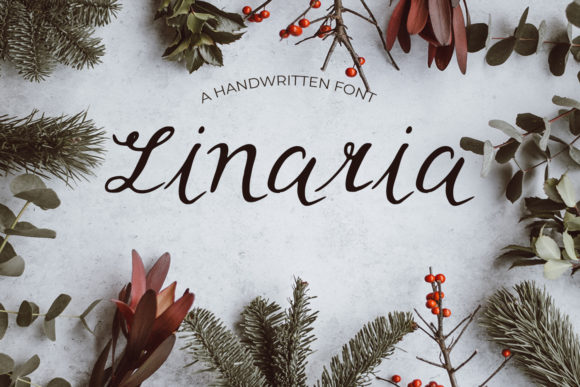
Linaria is a delicate, elegant, and flowing handwritten font that brings a sense of artistry and personal touch to any design project. Designed with attention to detail, it features well-balanced characters that ensure readability while maintaining an aesthetic appeal. Whether you're working on branding materials, editorial design, or digital content, Linaria offers a unique way to express creativity through typography.
Understanding Linaria
Linaria belongs to the category of handwritten fonts, which are often used to convey a more personal or artistic tone compared to traditional sans-serif or serif typefaces. Its flowing curves and subtle variations in stroke weight give it a natural, organic feel that can enhance visual storytelling.
The font's structure ensures that each letter maintains a consistent rhythm, making it suitable for both short phrases and longer blocks of text. This balance between elegance and functionality makes Linaria a versatile choice across various design applications.
Why Consider Linaria for Your Projects
If you're looking for a font that adds character without overwhelming your design, Linaria could be an excellent option. It's particularly well-suited for projects where a softer, more approachable aesthetic is desired. Here are some key reasons why designers might choose Linaria:
- Visual Appeal: The fluidity of Linaria's strokes gives it a graceful appearance that can elevate the overall look of your design.
- Readability: Despite its handwritten nature, Linaria maintains clarity, ensuring that your message remains easy to read even in longer passages.
- Versatility: Its balanced characters allow it to blend seamlessly with other fonts, making it adaptable to a wide range of design styles.
These qualities make Linaria a strong candidate for use in branding, invitations, packaging, and web design. However, it's important to consider how it fits within the broader context of your project before committing to it.
Benefits and Tradeoffs of Using Linaria
One of the main benefits of using Linaria is its ability to add a unique personality to your work. It can help differentiate your brand or project from others by introducing a more human-like quality to your typography. Additionally, because it's a handwritten font, it can evoke emotions such as warmth, authenticity, and creativity.
However, there are also tradeoffs to consider. For instance, Linaria may not be the best choice for projects that require high levels of legibility in small sizes or low-contrast environments. Its intricate details can become less visible when scaled down, potentially reducing readability.
Another consideration is the font's compatibility with other design elements. While Linaria works well with many styles, it may not pair effectively with overly complex or contrasting fonts. It's essential to test how it interacts with your color scheme, layout, and imagery to ensure a cohesive design.
Situations Where Linaria Is a Strong Fit
Linaria shines in situations where a soft, artistic, or personal touch is desired. Some common scenarios include:
- Brand Identity: Use Linaria for logos, taglines, or brand names to create a memorable and visually appealing identity.
- Invitations and Stationery: The font's elegance makes it ideal for wedding invitations, thank-you cards, or other formal stationery.
- Web Content: Incorporate Linaria into headings or call-to-action buttons to add a creative flair to your website's design.
- Editorial Design: Use it in magazine layouts, blog posts, or newsletters to introduce a more engaging typographic style.
In these contexts, Linaria can serve as a powerful tool to communicate emotion and personality while maintaining a professional appearance.
When Alternatives May Be More Suitable
While Linaria has many strengths, it may not be the best fit for every situation. For example, if your project requires strict adherence to accessibility standards or needs to be highly readable at smaller sizes, a more conventional font like Helvetica or Arial may be a better choice.
Additionally, if your design involves large amounts of body text, especially in print or digital formats where space is limited, a sans-serif or serif font with higher contrast and simpler forms might be more appropriate. In these cases, the complexity of Linaria's design could hinder readability rather than enhance it.
It's also worth considering the audience for your project. If your target demographic prefers clean, modern aesthetics, a more structured font may align better with their expectations.
Practical Insights for Choosing Linaria
Before deciding to use Linaria, ask yourself the following questions:
- Does the tone and style of Linaria align with the message I want to convey?
- Will this font be legible in the intended size and format?
- How will it interact with other design elements such as colors, images, and spacing?
- Is the use of this font consistent with my brand's identity or the project's goals?
By evaluating these factors, you can determine whether Linaria is the right choice for your specific needs. It's always a good idea to experiment with different fonts and see how they perform in real-world applications before finalizing your decision.
In conclusion, Linaria is a beautifully crafted handwritten font that can bring elegance and charm to your designs. However, its suitability depends on the context and requirements of your project. By carefully considering its benefits, limitations, and potential applications, you can make an informed decision about whether Linaria aligns with your creative vision and practical needs.