Theory of Signature: A Stylish Script Font for Creative and Professional Designs
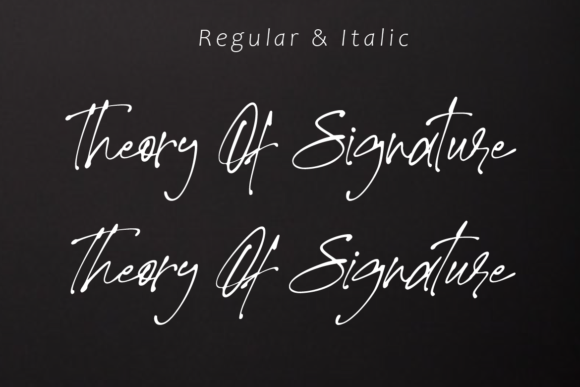
Theory of Signature is a beautifully crafted script font that brings a personal, handwritten touch to any design. With its elegant curves and refined style, it stands out as an ideal choice for those looking to add sophistication and charm to their creative projects. Whether you're designing wedding invitations, logos, or business cards, this font can elevate your work with a unique and artistic flair.
What Makes Theory of Signature Unique?
At first glance, Theory of Signature feels like a real signature—graceful, expressive, and full of character. Unlike many other script fonts that can look overly ornate or difficult to read, this one strikes the perfect balance between elegance and legibility. It's designed with attention to detail, ensuring that each letter flows naturally and maintains a consistent aesthetic across different sizes and mediums.
This font is particularly well-suited for projects that require a sense of intimacy and authenticity. Its subtle variations in stroke weight and curvature mimic the natural flow of handwriting, making it feel more personal than a standard typeface.
Where Can You Use Theory of Signature?
The versatility of Theory of Signature makes it a valuable tool for a wide range of design applications. Here are some of the most common and effective uses:
- Wedding Invitations: The font’s romantic and elegant style makes it perfect for creating personalized wedding invitations that feel heartfelt and memorable.
- Thank You Cards: Expressing gratitude becomes more meaningful when done with a font that feels handwritten and sincere.
- Greeting Cards: Whether for birthdays, holidays, or special occasions, Theory of Signature adds a warm and personal touch to any greeting card.
- Logos and Branding: For businesses looking to convey a sense of creativity, luxury, or individuality, this font can be used in logos or brand elements to stand out from the competition.
- Business Cards: A well-designed business card using Theory of Signature can leave a lasting impression on clients and colleagues alike.
- Digital Content: Bloggers, social media managers, and content creators can use this font in headers, quotes, or call-out boxes to enhance visual appeal and readability.
Real-World Scenarios Where Theory of Signature Shines
Let’s take a closer look at how different professionals and individuals might benefit from using Theory of Signature in their daily work:
For Event Planners
Event planners often need to create eye-catching invitations and promotional materials. Using Theory of Signature in event branding or invitation designs can help set the tone for a sophisticated and personalized experience. Imagine sending out invitations with a hand-signed look—this small detail can make all the difference in how guests perceive the event.
For Small Business Owners
Small business owners looking to build a strong brand identity can use Theory of Signature in their logos, packaging, or marketing materials. This font helps communicate a sense of professionalism while also adding a personal touch that sets them apart from larger competitors.
For Educators and Publishers
Educators and publishers may find this font useful for creating certificates, thank-you notes, or educational materials that have a more personal and engaging feel. Using Theory of Signature in book covers or classroom resources can help capture the attention of students and readers alike.
For Freelancers and Creatives
Creatives such as graphic designers, writers, and artists can incorporate Theory of Signature into their portfolios, project proposals, or client communications. It helps establish a unique and professional image while maintaining a sense of approachability and personality.
Considerations Before Using Theory of Signature
While Theory of Signature is a versatile and stylish font, there are a few things to consider before incorporating it into your designs:
- Legibility: While the font is elegant, it’s important to ensure that it remains readable, especially in smaller sizes or on digital screens. Avoid using it in long paragraphs where clarity is essential.
- Compatibility: Make sure the font is compatible with the software or platform you're using. Some design tools may not support certain font styles or require additional plugins.
- Licensing: If you're using this font for commercial purposes, check the licensing agreement to ensure that you have the right to use it in your specific context.
- Consistency: Use the font consistently throughout your design to maintain a cohesive look. Pair it with complementary sans-serif fonts for headings and body text to ensure balance.
Getting Started with Theory of Signature
If you're ready to explore the possibilities of Theory of Signature, start by downloading it from a trusted source. Many font marketplaces offer free or paid versions depending on your needs. Once you've installed the font, experiment with it in different design contexts to see how it works best for your projects.
Remember, the key to using any font effectively is understanding its strengths and limitations. By choosing Theory of Signature wisely, you can enhance your designs with a touch of elegance and authenticity that will resonate with your audience.