Foxglove Font: Elegant Script for Modern Design
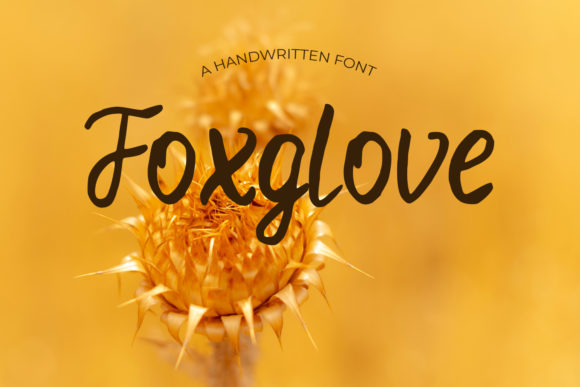
In the world of typography, finding a font that balances tradition with modernity can be challenging. Foxglove stands out as a solution, offering an elegant script style that feels both timeless and contemporary. Designed with precision and care, this font is not too thin, not too thick—just right. Its balanced and varied strokes make it a versatile choice for a wide range of creative projects.
The Beauty of Foxglove in Design
Foxglove draws inspiration from classic calligraphy, yet it carries a fresh, modern appeal that resonates with today's design sensibilities. Whether you're crafting a logo, designing a website, or creating marketing materials, this font adds a touch of sophistication without overwhelming the content.
Its unique character lies in its ability to convey elegance without sacrificing readability. The font's form is impeccable, making it suitable for both short and long text passages. This makes Foxglove ideal for headings, titles, and even body text when used appropriately.
Who Can Benefit from Using Foxglove?
Professionals across various fields will find value in Foxglove. Marketers, for instance, can use it to create eye-catching headlines for social media posts or email campaigns. Bloggers and content creators might appreciate how it enhances the visual appeal of their articles or newsletters.
Freelancers and small business owners looking to establish a strong brand identity can also benefit. A well-chosen font like Foxglove helps build a consistent and professional image, which is crucial for standing out in competitive markets.
Educators and publishers may find Foxglove useful for designing course materials or books where aesthetics play a key role in engagement. The font's clean lines and refined look contribute to a more pleasant reading experience.
Real-World Applications of Foxglove
Consider a scenario where a small boutique needs a new logo. Traditional serif fonts might feel outdated, while sans-serif options could appear too casual. Foxglove provides a middle ground—elegant yet approachable. It conveys professionalism while maintaining a warm, inviting feel.
Another example is a digital marketer creating a landing page for a new product launch. By using Foxglove for headlines and subheadings, they can draw attention to key messages without distracting from the content. The font's balance ensures that the message remains clear and impactful.
For educators designing presentation slides, Foxglove can elevate the overall look of the material. It adds a layer of sophistication that complements educational content, helping to engage students more effectively.
Why Choose Foxglove Over Other Fonts?
While many script fonts exist, Foxglove distinguishes itself through its thoughtful design. Unlike some overly ornate scripts that can be difficult to read, Foxglove maintains clarity even in smaller sizes. This makes it practical for use in a variety of formats, from print to digital.
Its versatility allows it to adapt to different contexts. It works well in minimalist designs where subtlety is key, but it also shines in more elaborate layouts where visual interest is important. This adaptability means that Foxglove can be a valuable addition to any designer's toolkit.
Additionally, the font's contemporary atmosphere aligns with current design trends, ensuring that projects featuring Foxglove remain relevant and stylish over time. This is particularly beneficial for businesses and individuals aiming to maintain a modern aesthetic in their branding efforts.
When Might Foxglove Not Be the Best Choice?
While Foxglove offers many advantages, it's important to consider when it may not be the best fit. For example, in situations requiring high legibility at very small sizes—such as body text in long-form articles—it may be better to opt for a more straightforward sans-serif font.
Similarly, if a project requires a highly formal or traditional look, other serif fonts might be more appropriate. However, Foxglove still offers a refined alternative that bridges the gap between classic and contemporary styles.
It's always wise to test Foxglove in different contexts before finalizing its use. Previewing how it looks in various sizes, colors, and backgrounds can help ensure it meets the specific needs of your project.
Tips for Using Foxglove Effectively
To get the most out of Foxglove, consider pairing it with complementary fonts. A combination of Foxglove for headings and a clean sans-serif font for body text can create a visually appealing contrast that enhances readability and aesthetics.
Also, pay attention to spacing and alignment. Proper kerning and leading are essential for ensuring that Foxglove looks polished and professional in any application. These details can significantly impact the overall appearance of your design.
Experiment with different weights and styles if available. While Foxglove has a consistent weight, subtle variations in stroke thickness can add depth and dimension to your text. This can be especially effective in larger formats such as posters or banners.
Lastly, remember that less is often more when using Foxglove. Its elegance lies in its simplicity, so avoid overcomplicating designs by using too many fonts or elements. Let the font speak for itself and focus on creating a cohesive, harmonious layout.
Foxglove is more than just a font—it's a tool that can enhance the beauty and effectiveness of your creative work. Whether you're a professional designer or someone exploring typography for the first time, Foxglove offers a refined, balanced option that supports both form and function in your projects.