Elsa Sayonara Font
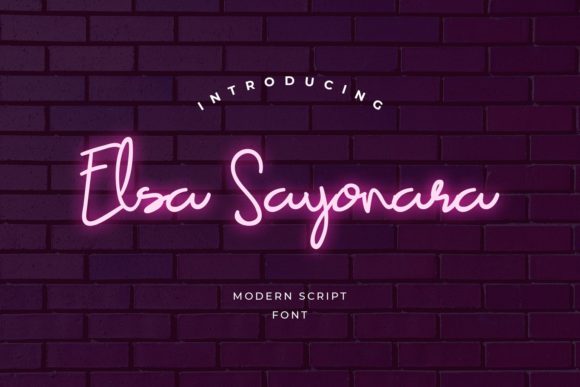
Elsa Sayonara is a simple and delicate handwritten font that brings a sense of warmth and personality to any design project. Its clean, flowing strokes mimic the natural rhythm of handwriting, making it an excellent choice for creative professionals, small business owners, and hobbyists alike. Whether you're designing a logo, crafting a social media post, or creating a personal blog, Elsa Sayonara adds a unique touch that feels both elegant and approachable.
What Is Elsa Sayonara?
Elsa Sayonara is a handwritten font designed to evoke a sense of simplicity and elegance. It features soft curves, minimal embellishments, and a consistent stroke width that gives it a balanced appearance. Unlike more ornate or stylized fonts, Elsa Sayonara focuses on readability while maintaining a handcrafted feel. This makes it ideal for use in both digital and print formats where clarity and aesthetic appeal are equally important.
The font's name, "Elsa Sayonara," suggests a blend of charm and farewell—perhaps reflecting its ability to add a graceful ending to any design or message. Its versatility allows it to be used across a wide range of platforms, from websites and presentations to packaging and branding materials.
Why Different Audiences Care About Elsa Sayonara
While the font itself may seem straightforward, its value varies depending on who is using it and how they intend to apply it. For instance, a beginner might appreciate its ease of use and visual appeal, while a professional designer could focus on its adaptability and scalability in different contexts.
Beginners and Hobbyists
For those new to graphic design or typography, Elsa Sayonara offers a gentle learning curve. Its simple structure and readable form make it an excellent starting point for experimenting with font choices. Beginners can easily incorporate it into projects like greeting cards, DIY crafts, or personal blogs without worrying about complex formatting or layout issues.
Moreover, since the font is available in various downloadable formats, including TTF and OTF, it’s accessible to users with basic software such as Microsoft Word, Canva, or Adobe Illustrator. This accessibility makes it a great tool for hobbyists who want to explore design without investing in advanced tools or training.
Professionals and Creators
Experienced designers and creators may look at Elsa Sayonara through a different lens. They might prioritize its compatibility with other design elements, such as color schemes, layouts, and brand guidelines. The font's subtle character can complement minimalist designs or serve as a focal point in more expressive layouts.
Additionally, professionals may evaluate the font based on its performance in different mediums. For example, does it render well on high-resolution screens? Does it maintain its legibility when scaled down for mobile interfaces? These considerations help ensure that the font supports the overall quality and professionalism of the final product.
Business Owners and Marketers
Small business owners and marketers often seek fonts that reflect their brand identity while remaining versatile enough to be used across multiple marketing channels. Elsa Sayonara's delicate yet professional appearance makes it suitable for branding elements such as logos, taglines, and promotional materials.
Its clean lines and consistent style can convey a sense of reliability and approachability, which is especially valuable for businesses targeting consumers who prefer a friendly and trustworthy image. Marketers might also appreciate its ability to stand out in digital content without overwhelming the viewer, making it ideal for headlines, call-to-action buttons, and social media captions.
Bloggers and Educators
Bloggers and educators frequently rely on fonts that enhance readability while adding a touch of personality. Elsa Sayonara’s balance between elegance and simplicity makes it a good fit for headings, titles, or section headers in articles, e-books, or educational resources.
For bloggers, using this font can help create a cohesive visual theme across posts, improving user experience and engagement. Educators might find it useful for creating visually appealing study guides, presentations, or classroom materials that are both informative and easy on the eyes.
Practical Examples of Use
Here are a few practical examples of how different individuals might use Elsa Sayonara:
- Freelancers: Incorporating Elsa Sayonara into client proposals or portfolio websites to create a polished yet personable look.
- Entrepreneurs: Using the font in packaging or signage to give their brand a warm, inviting feel.
- Students: Applying it to school projects, posters, or presentation slides to add a creative flair without sacrificing clarity.
- Content Creators: Featuring it in YouTube thumbnails, Instagram captions, or podcast covers to build a consistent and memorable brand identity.
Each of these scenarios highlights how Elsa Sayonara can be tailored to meet specific needs, whether the goal is to enhance visual appeal, improve readability, or align with a particular brand voice.
Choosing the Right Fit for Your Needs
Before deciding to use Elsa Sayonara, consider your project's goals, audience, and medium. If you're looking for a font that feels personal but still professional, this could be the right choice. However, if your design requires boldness or technical precision, you might need to explore other options.
Ultimately, Elsa Sayonara is best suited for projects that benefit from a soft, human touch. It’s not about being the most eye-catching or trendiest font—it’s about creating something that feels genuine and meaningful to the viewer.