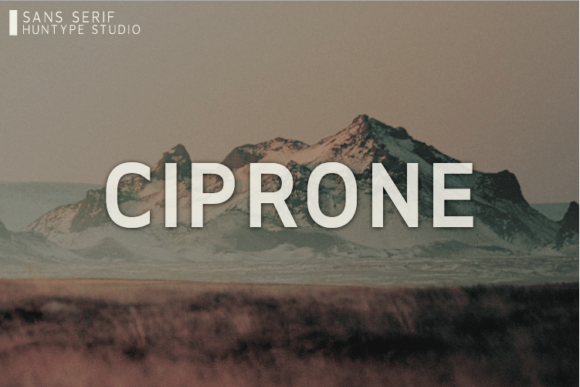
Ciprone Font: A Bold and Simple Choice for Modern Design
The Ciprone font is a striking example of minimalist design in typography. As a simple and thick lettered sans serif font, it brings a sense of strength and clarity to any project it's used in. Whether you're designing a logo, working on branding materials, or creating web headings, Ciprone offers a versatile solution that stands out without being overwhelming.
Understanding the Characteristics of Ciprone
Ciprone is defined by its clean lines and bold structure. Unlike more intricate fonts that rely on decorative elements, Ciprone focuses on simplicity and readability. Its thick lettering ensures that even at smaller sizes, the text remains legible and impactful. This makes it an excellent choice for headlines and titles where visual hierarchy is essential.
The sans serif nature of Ciprone contributes to its modern feel. Sans serif fonts are often associated with contemporary design, digital interfaces, and clean aesthetics. They are widely used in web design because they render well on screens and provide a clear reading experience. Ciprone takes this a step further by adding a unique thickness to each character, making it visually distinct from other sans serif fonts.
Why Ciprone Works for Logos and Branding
When it comes to branding, first impressions matter. A logo needs to be memorable, scalable, and adaptable across different mediums. Ciprone’s bold and simple design makes it an ideal candidate for logos that need to convey strength and confidence. The thick strokes give the font a solid presence, while the lack of serifs keeps it looking modern and uncluttered.
Consider a tech startup looking to establish a strong brand identity. Using Ciprone in their logo can communicate professionalism and innovation. The font’s simplicity allows for easy recognition, ensuring that the brand name sticks in the viewer's mind. Additionally, since Ciprone is a sans serif font, it integrates seamlessly into digital platforms, websites, and mobile applications.
- Memorable: The boldness of Ciprone helps make a lasting impression.
- Adaptable: It works well across various sizes and media formats.
- Modern: Its sans serif style aligns with current design trends.
Using Ciprone in Web Design
In web design, typography plays a crucial role in user experience. Readability, visual appeal, and consistency are all key factors when selecting a font. Ciprone fits perfectly into this context due to its clean and structured appearance.
Web headings often require a font that commands attention without distracting from the content. Ciprone’s thick lettering ensures that headings stand out, guiding users through the page effectively. When paired with lighter body text, it creates a balanced and professional layout.
Another advantage of using Ciprone in web design is its compatibility with responsive layouts. Because of its straightforward structure, it scales well on different screen sizes, maintaining legibility whether viewed on a desktop, tablet, or smartphone. This adaptability is especially important in today's multi-device world.
Designers can also experiment with color and spacing to enhance the visual impact of Ciprone. Since the font has a strong presence, subtle variations in color or line height can help it blend or contrast with the surrounding design elements as needed.
Practical Applications and Industry Use Cases
Ciprone’s versatility extends beyond logos and web design. It can be used in a variety of industries and projects where a strong yet simple font is needed. For instance, in the fitness industry, Ciprone could be used for gym branding, workout programs, or motivational slogans. Its boldness conveys energy and determination, aligning well with the goals of fitness enthusiasts.
In the real estate sector, Ciprone might be used for property listings or marketing materials. The font’s clean look helps present information clearly, which is essential when showcasing homes or commercial properties. Similarly, in the food and beverage industry, Ciprone can be used for restaurant menus, packaging, or promotional campaigns, where it adds a touch of sophistication and modernity.
For creative professionals such as graphic designers, illustrators, and photographers, Ciprone serves as a reliable go-to font for titles, captions, and project names. Its simplicity allows it to complement a wide range of visual styles, making it a flexible asset in any designer’s toolkit.
How to Incorporate Ciprone into Your Projects
If you're considering using Ciprone in your next project, there are several ways to do so effectively. First, ensure that the font aligns with the overall aesthetic and message of your work. Ciprone is best suited for designs that aim to communicate strength, clarity, and modernity.
Next, think about how Ciprone will interact with other design elements. Pairing it with complementary colors, shapes, and textures can enhance its visual impact. For example, using Ciprone alongside geometric shapes or minimalistic layouts can create a cohesive and stylish design.
It’s also important to consider the context in which the font will be used. While Ciprone works well for logos and headings, it may not be the best choice for long blocks of text. In such cases, it’s advisable to use a more readable font for body copy while reserving Ciprone for emphasis and visual hierarchy.
Lastly, always test the font across different platforms and devices to ensure it looks good everywhere. Ciprone should maintain its integrity whether displayed on a website, printed material, or social media post.
By thoughtfully integrating Ciprone into your projects, you can elevate the visual appeal and effectiveness of your designs. Its bold and simple characteristics make it a valuable addition to any designer’s repertoire, offering both style and functionality in equal measure.